The Opportunity Nadeem Had Been Waiting For A Father Carrying More Than Responsibility
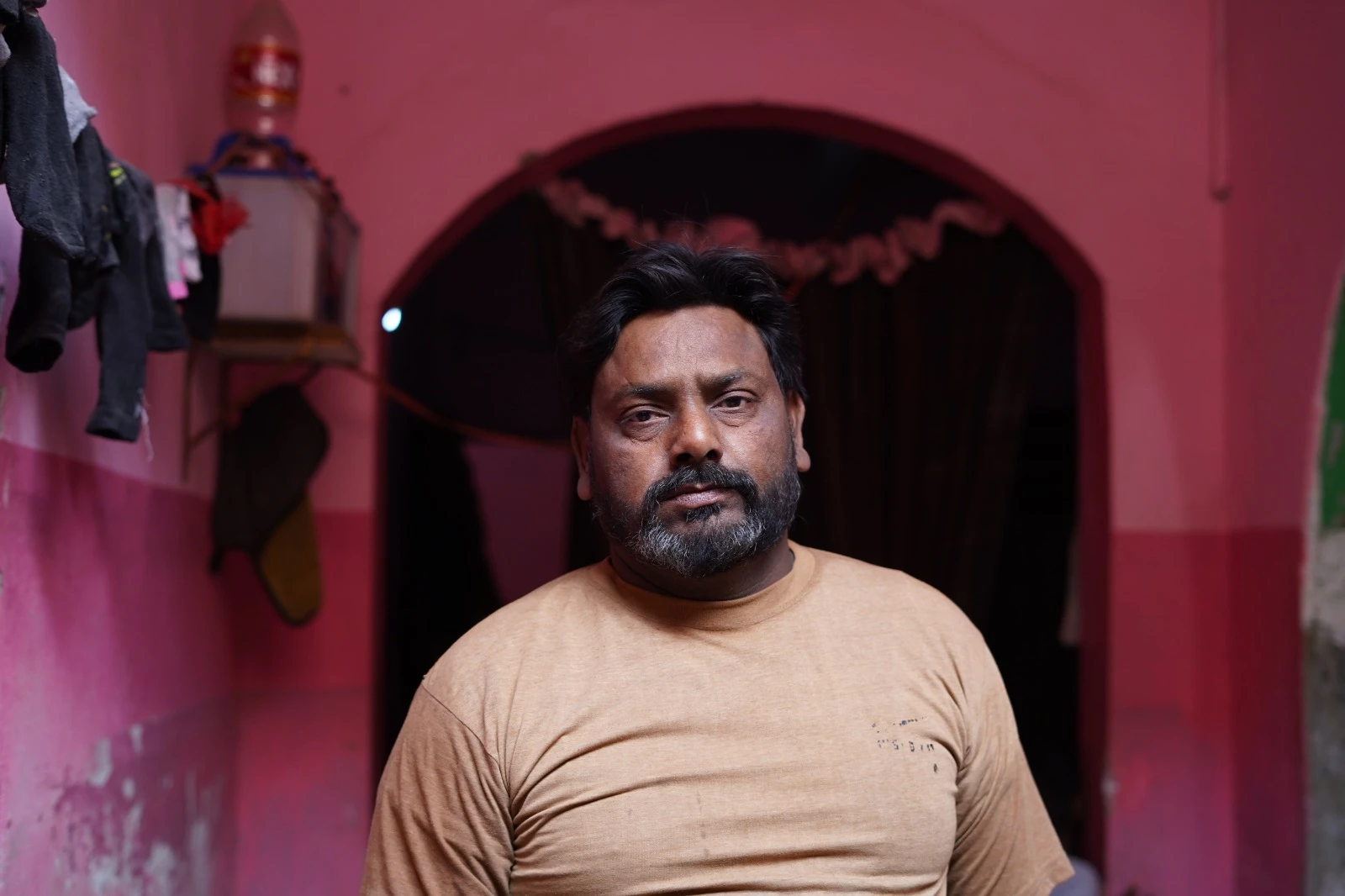
Every morning, Muhammad Nadeem wakes up with the same goal: to provide for his family.
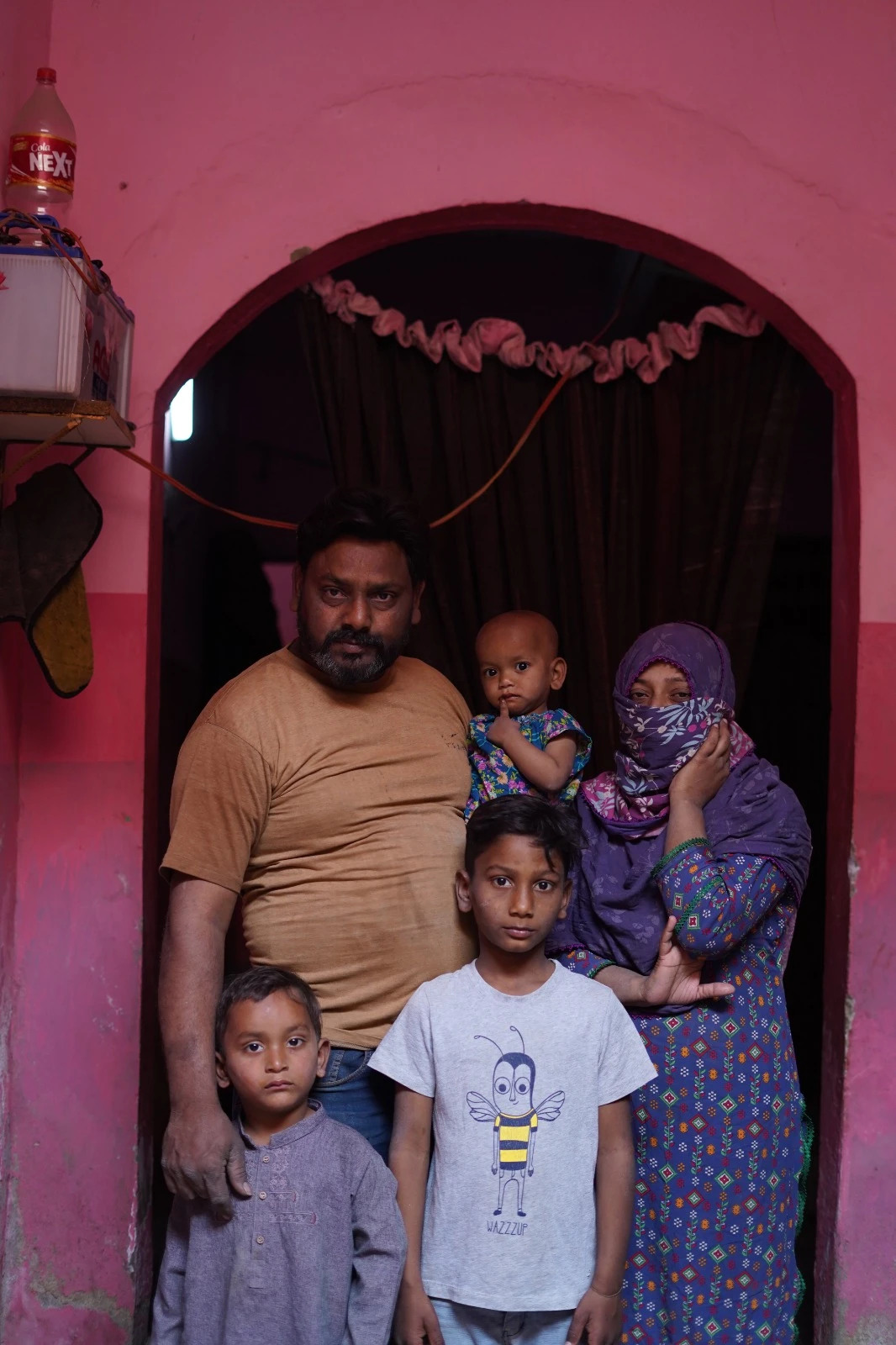
Living in Surjani Town with his wife and four children, he faces challenges that many people can hardly imagine. The roof leaks when it rains, the walls are damp, and every meal requires careful planning. Yet the greatest burden on his shoulders is not the condition of his home, but the future of his children.
Living in Surjani Town with his wife and four children, he faces challenges that many people can hardly imagine. The roof leaks when it rains, the walls are damp, and every meal requires careful planning. Yet the greatest burden on his shoulders is not the condition of his home, but the future of his children.
Like any father, Nadeem dreams of seeing them in school, learning, growing, and building lives that are better than his own. For years, however, financial hardship stood in the way of those dreams. Then one opportunity changed everything.
The Weight of Providing for a Family
Before his circumstances changed, Nadeem earned a modest income delivering bread. The work was simple, but it allowed him to support his family through honest earnings. When that employment came to an end, he found himself searching for a stable source of income. Days became uncertain, and every expense became a challenge.
“Our financial condition is very difficult. If we eat today, we do not know what we will eat in the evening. If we eat in the evening, we have to worry about the morning.”
The pressure of providing for a family grew heavier with each passing day. Despite his best efforts, stable employment remained out of reach. For Nadeem, poverty was not just about lacking money. It was the constant worry of how to care for the people who depended on him most.
A Home Filled With Challenges
The family's rented home tells its own story. The walls are marked by dampness, and when heavy rains arrive, water enters from every direction. What should be a place of comfort becomes another source of hardship.
“When it rains, there is so much water inside the house that there is hardly any place left to sit or stand.”
For many families, rain brings relief and comfort. For Nadeem's family, it brings anxiety. But this is not all, another concern weighs heavily on his heart. His children want an education. One child has already been enrolled in school, but the others continue to ask their father for the same opportunity.
“My children tell me every day, ‘Father, enrol us in school too.’”
Like every parent, Nadeem wants to fulfil those wishes. He wants to see his children educated, wearing new clothes on Eid, and enjoying a future free from the struggles he has endured.
The Opportunity He Had Been Praying For
Despite the challenges surrounding him, Nadeem never lost hope. He did not ask for a handout. He asked for a chance. A chance to work. A chance to earn a halal livelihood. A chance to support his family with dignity.
He appealed for support that would enable him to stand on his own feet and provide for his loved ones through honest effort. That opportunity came through the Al-Wahab Foundation Livelihood Project.
A New Beginning
Receiving a rickshaw through Al-Wahab Foundation marked a turning point in Nadeem's life. After months of uncertainty and searching for stable work, he was finally given the opportunity to earn a halal livelihood and support his family with dignity. Overwhelmed with gratitude,
Nadeem simply said:
“I am very happy. Very happy.” For him, the rickshaw is more than a vehicle. It is a chance to provide for his family, support his children's education, and build a more secure future through honest work.Investing in a Family's Future
Following the handover, Chairman Al-Wahab Foundation, Mufti Abdul Wahab personally visited Nadeem's home to see the family's circumstances firsthand and ensure donor support had reached the intended beneficiary.
The visit highlighted both the family's challenges and their potential. Standing inside the modest home, he encouraged Nadeem to continue working hard and focus on one goal above all others: educating his children. The message was clear. The greatest investment any parent can make is in their children's future.
“You must educate your children. When they become educated, they will help remove the poverty and difficulties your family faces.”
For Nadeem, the rickshaw is not simply a source of income. It is a tool that can help him provide opportunities for his children that were previously beyond his reach.
The Power of Sustainable Charity
The Livelihood Project is built on a simple but powerful principle: helping people earn for themselves. While emergency aid remains important, sustainable support creates long-term change. A food parcel may provide relief for a few days. A livelihood can support a family for years. As Mufti Abdul Wahab explained during the visit:
“This is not helping one individual. This is helping an entire family. It is helping an entire generation.”
One rickshaw has the power to affect not only Nadeem's life but also the lives of his wife and children for years to come.
What Happens When Donors Create Opportunity
Nadeem's story reflects the true value of meaningful charity but the need remains significant. There are countless hardworking fathers searching for a way to provide for their families. Many do not want charity alone. They want the opportunity to work, earn, and build a future with dignity.
Projects like this make that possible. They transform donations into livelihoods and hardship into hope. Most importantly, they empower families to take control of their own future.
Looking Ahead With Hope
For Muhammad Nadeem, receiving a rickshaw marked the beginning of a new chapter. The challenges he faces have not disappeared overnight, but he now has something he lacked before: a pathway forward. Thanks to the generosity of donors and the Al-Wahab Foundation, another father has been given the opportunity to transform his family's circumstances through honest work.
And for families like Nadeem's, that opportunity can make all the difference.