

Belfast Prayer Times
Today's Accurate Prayer Timetable for Belfast
Prayer Time
Prayer times for Belfast, UK
Salah is one of the five pillars of Islam and an essential part of every Muslim's daily life. Muslims in Belfast can check the daily prayer timetable to find the timings for Fajr, Dhuhr, Asr, Maghrib and Isha.
Performing Salah at its prescribed time helps Muslims maintain a strong connection with Allah (SWT) and develop a consistent routine of worship. Whether you live in Belfast or are visiting the city, knowing the local prayer times makes it easier to plan your day around Salah.
Our Belfast prayer timetable provides a convenient way to check daily Namaz times throughout the year, helping worshippers stay informed about the five obligatory prayers.
When is Eid al-Fitr & Eid Prayer Time in Belfast?
Eid al-Fitr marks the end of Ramadan and is celebrated on the first day of Shawwal. The exact date depends on the moon-sighting method followed by the relevant Islamic authorities. Eid prayer times in Belfast may vary between local mosques and Islamic centres. Worshippers should check with their nearest mosque for confirmed Eid prayer timings, congregation arrangements and any additional guidance.
How We Provide Accurate Prayer Timings in Belfast?
Prayer times in Belfast are calculated using the city's geographical coordinates, sunrise, sunset and the position of the sun. As Belfast is located in Northern Ireland, daylight hours vary considerably throughout the year.
Longer summer days and shorter winter days affect the timings of Fajr, Dhuhr, Asr, Maghrib and Isha. During summer, extended twilight can make Fajr and Isha calculations more complex. Different recognised calculation methods may produce different timings, so Muslims are encouraged to follow a trusted Belfast prayer timetable and consult their local mosque when necessary.
What Makes Our Belfast Prayer Timetable Unique?
Our Belfast prayer timetable is designed to help Muslims organise their daily prayers and maintain consistency in worship.
- Daily Prayer Timings: Check the five daily prayers, including Fajr, Dhuhr, Asr, Maghrib and Isha.
- Location-Based Timings: Prayer times are calculated according to Belfast's geographical location.
- Seasonal Adjustments: Daily Salah timings reflect changes in sunrise and sunset throughout the year.
- Daylight Saving Changes: Timings account for Greenwich Mean Time (GMT) and British Summer Time (BST), as observed in Northern Ireland.
- Easy Access: Check today's prayer times in Belfast to plan your daily worship.
Start Your Day with Fajr – Timings & Importance
Fajr is the first prayer of the day and provides an opportunity to begin the morning with worship and remembrance of Allah (SWT).
"The five daily prayers and one Friday prayer to the next Friday prayer are expiation for the sins committed between them."
[Sahih Muslim 233]
[Sahih Muslim 233]
Here are some important points about Fajr prayer:
- Fajr Time in Belfast: Fajr begins at true dawn and ends at sunrise. Its timing changes throughout the year depending on the season.
- Importance of Fajr: Performing Fajr helps Muslims begin their day with faith, discipline and devotion.
- How Many Rakats in Fajr?: Fajr consists of two Sunnah rakats followed by two Fard rakats.
- Benefits of Fajr Prayer: Regularly performing Fajr encourages consistency in worship and helps develop a positive daily routine.
During Belfast's summer months, extended twilight can affect the calculation of Fajr timings. Check the daily prayer timetable and follow guidance from your local mosque when needed.
Maghrib and Isha – Ending Your Day with Worship
Maghrib and Isha are the final two daily prayers. They provide an opportunity to reflect on the day, seek Allah's guidance and maintain a strong connection with Him.
- Maghrib Prayer Time in Belfast: Maghrib begins immediately after sunset. Its timing changes throughout the year as sunset becomes earlier or later.
- Isha Prayer Time in Belfast: Isha begins after the disappearance of evening twilight, according to the calculation method followed.
- Seasonal Variations: During summer, Belfast experiences longer evenings and extended twilight, which can affect Isha prayer calculations.
- Importance of Evening Prayers: Performing Maghrib and Isha helps Muslims maintain a consistent routine of remembrance and worship.
For reliable Maghrib and Isha timings, check the Belfast Salah timetable and follow guidance from your local mosque where calculation methods differ.
What is the Qibla Direction in Belfast?
The Qibla direction in Belfast is towards the Holy Kaaba in Makkah, Saudi Arabia. From Belfast, the direction is generally east-south-east. Muslims can use a reliable Qibla compass, mobile application or guidance from a local mosque to determine the correct direction for prayer. Facing the Qibla is an essential requirement when performing Salah.
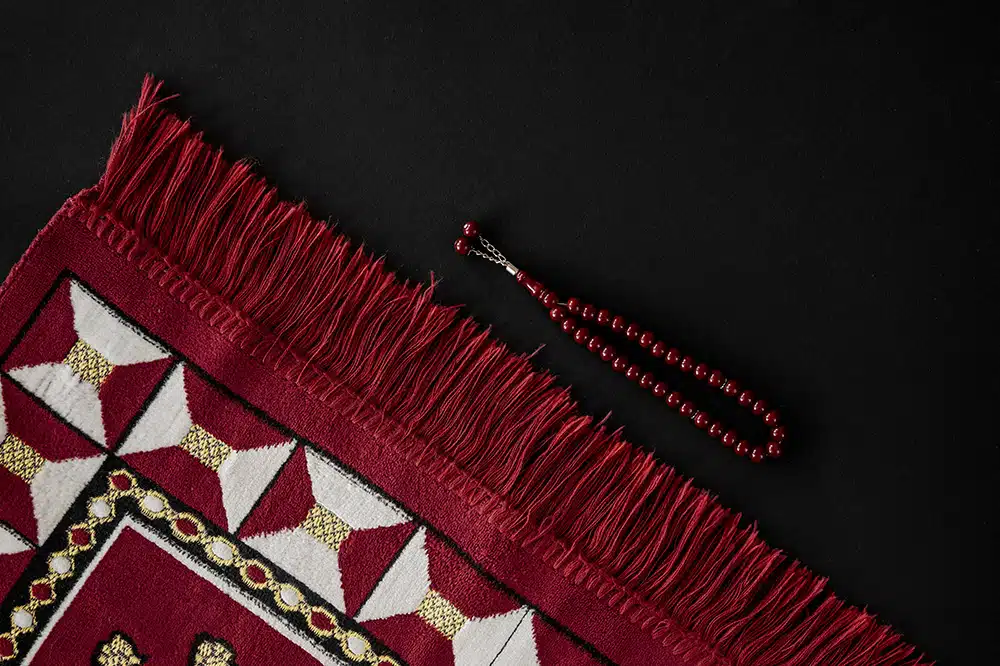
Following a regular prayer timetable helps Muslims in Belfast organise their day around the five obligatory prayers and maintain consistency in worship.
Frequently Asked Questions
Salah is one of the five pillars of Islam and is obligatory for adult Muslims, subject to applicable Islamic exemptions. It is performed five times daily and helps Muslims strengthen their relationship with Allah (SWT).
The five daily prayers are Fajr, Dhuhr, Asr, Maghrib and Isha. Their timings depend on the position of the sun and change throughout the year.
Fajr begins at true dawn and ends at sunrise. The exact Fajr time in Belfast changes daily, so it is important to check the updated prayer timetable.
Jummah prayer takes place every Friday during the Dhuhr prayer period. Congregation times vary between local mosques, so worshippers should confirm the timings with their nearest mosque.
Prayer times change because daylight hours and the position of the sun vary with the seasons. Belfast experiences longer summer days and shorter winter days, which affect daily Salah timings.

Scholar Verified
Al-Wahab Foundation works with Islamic scholar Mufti Abdul Wahab to support the accuracy of religious information published on its platform and its alignment with Shariah principles.
For further information about the Foundation's religious review process, visit our Scholar's Page.