From the Field: Mufti Abdul Wahab’s Pakistan Visit Supporting Communities in Need
Behind every Al-Wahab Foundation project is a person, a family and a community hoping for meaningful change.
From 25 to 29 August 2026, Chairman of Al-Wahab Foundation, Mufti Abdul Wahab, visited Pakistan, spending time on the ground meeting beneficiaries, visiting ongoing projects and taking part in distributions across Karachi and other areas of Sindh.
Rather than focusing on one form of support, the visit brought together several areas of AWF’s work, from creating sustainable livelihoods and restoring eyesight to improving access to clean water and helping women build greater independence.
Helping Families Build Their Own Livelihoods
For many families facing hardship, the opportunity to work can have a far greater impact than short-term assistance.
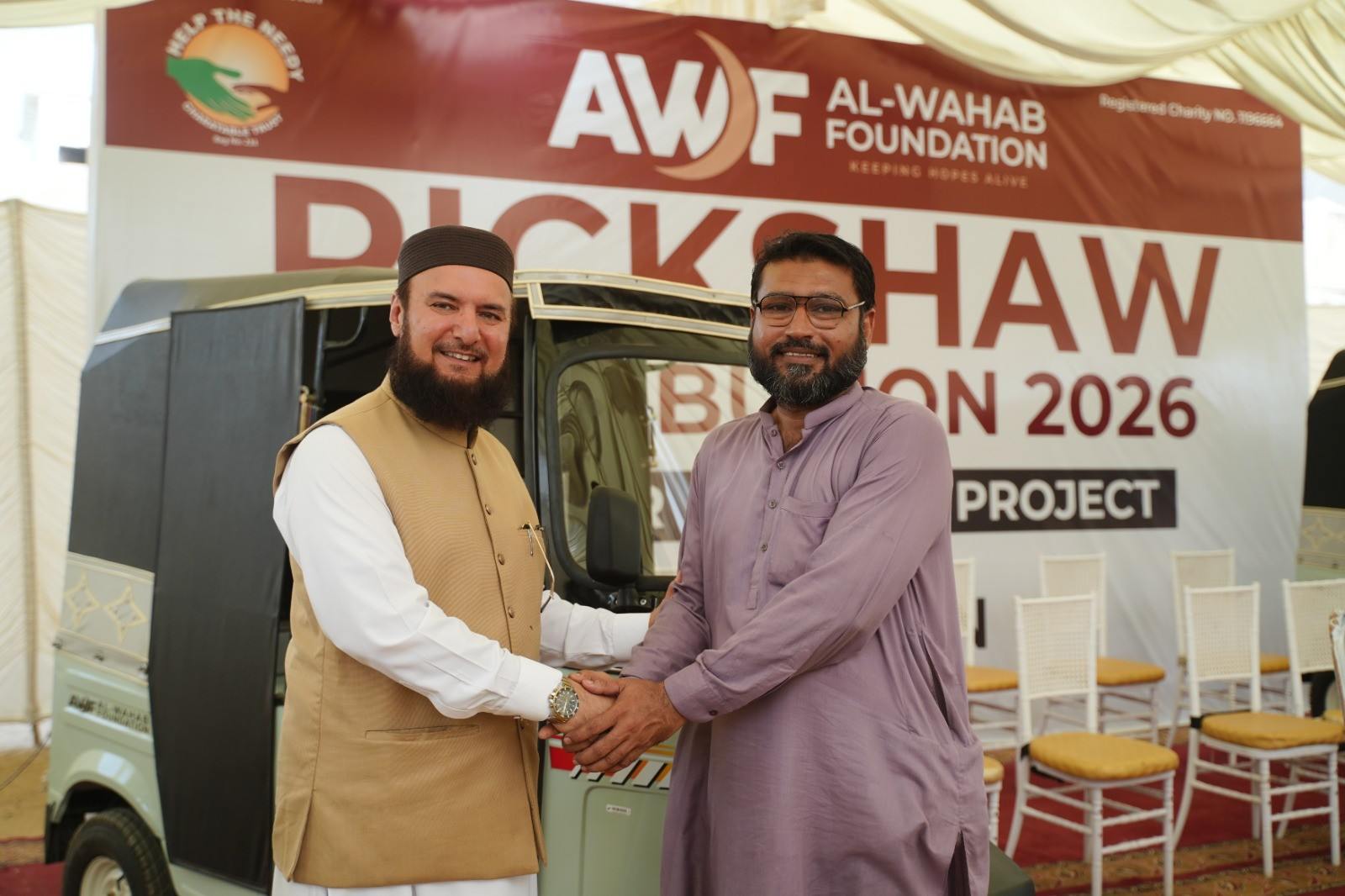
Through Al-Wahab Foundation’s Rozgar Project, 15 auto rickshaws were distributed to individuals in Karachi, supporting 120 beneficiaries through the wider impact on their families.
A rickshaw can become a dependable means of earning a living, allowing the recipient to work with dignity and meet everyday household needs through their own efforts.
Mufti Abdul Wahab met beneficiaries during the distribution and saw first-hand how livelihood support can create a route towards greater stability and independence.
This first-hand experience is an important part of understanding both the needs on the ground and the real impact of our work. By meeting beneficiaries directly, listening to their experiences and seeing projects in action, we gain a clearer picture of the challenges communities face and how our support is making a difference. These visits also help us identify where further support is needed, strengthen the way projects are delivered and ensure that our work remains practical, relevant and focused on creating lasting change.
The visit also included a Business cart distribution, giving individuals the practical means to start or strengthen a small livelihood. The goal is not simply to provide short-term support, but to equip people with the tools to work, earn with dignity and build a more secure future through their own efforts.
Visiting Masjid and Water Projects in Khipro, Sindh
The journey also took Mufti Abdul Wahab to Khipro, Sindh, where he visited Al-Wahab Foundation projects supporting some of the basic needs of local communities.
This included Masjids as well as water wells and water hand pumps.
In areas where suitable facilities are limited, a Masjid can serve as much more than a place of worship. It can become a focal point for community life, bringing people together and helping future generations remain connected to their faith.
Access to safe water is equally fundamental. Water wells and hand pumps bring water closer to families who may otherwise face considerable difficulty obtaining it.
Seeing these projects on the ground also gives the Foundation an opportunity to review the work being delivered and understand how communities are benefiting from donor support.
Restoring Sight Through Eye Surgery
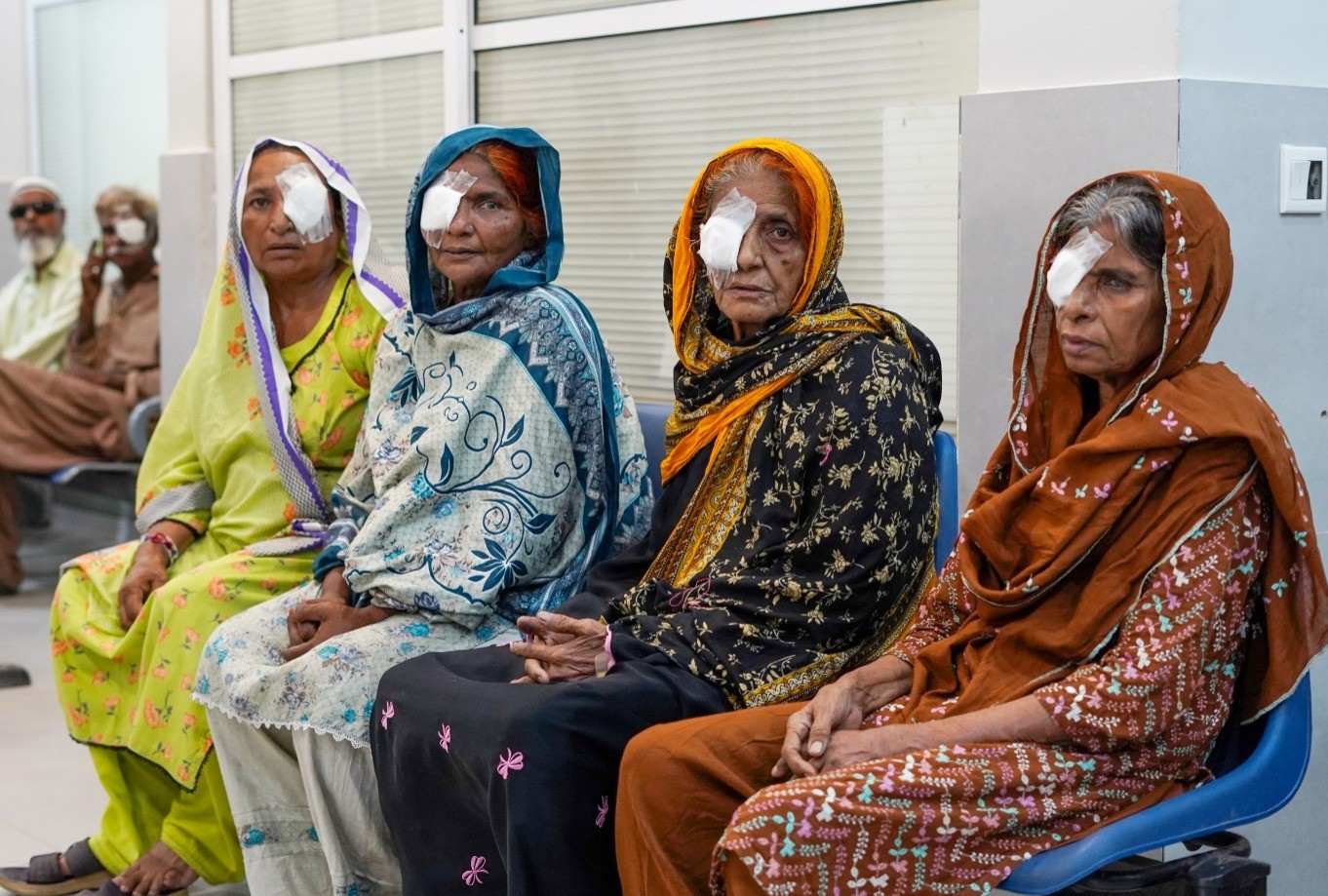
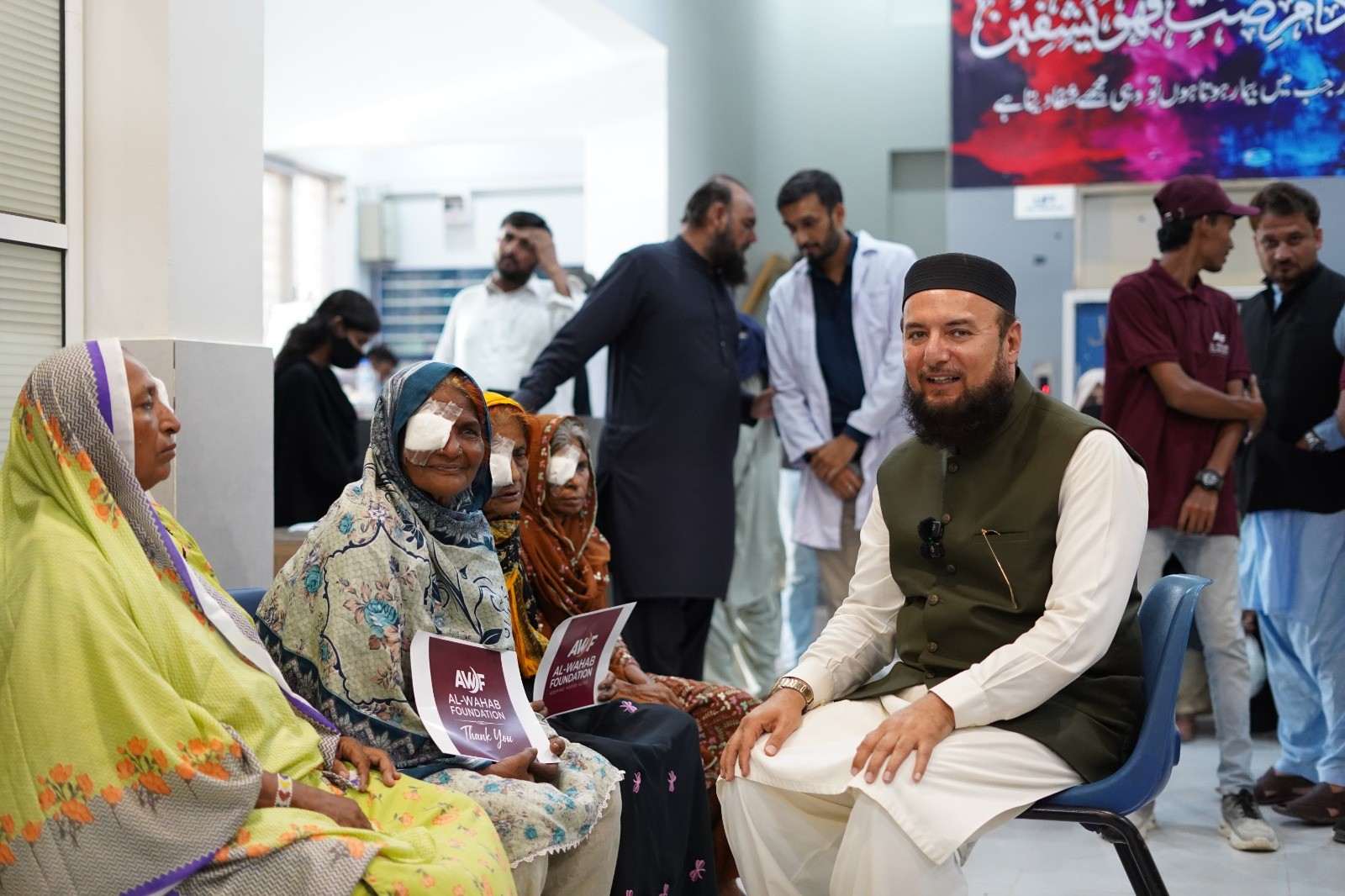
One of the most moving parts of the visit took place at Al-Baseer Hospital in Karachi, where Mufti Abdul Wahab met patients receiving treatment through Al-Wahab Foundation’s Eye Care Project.
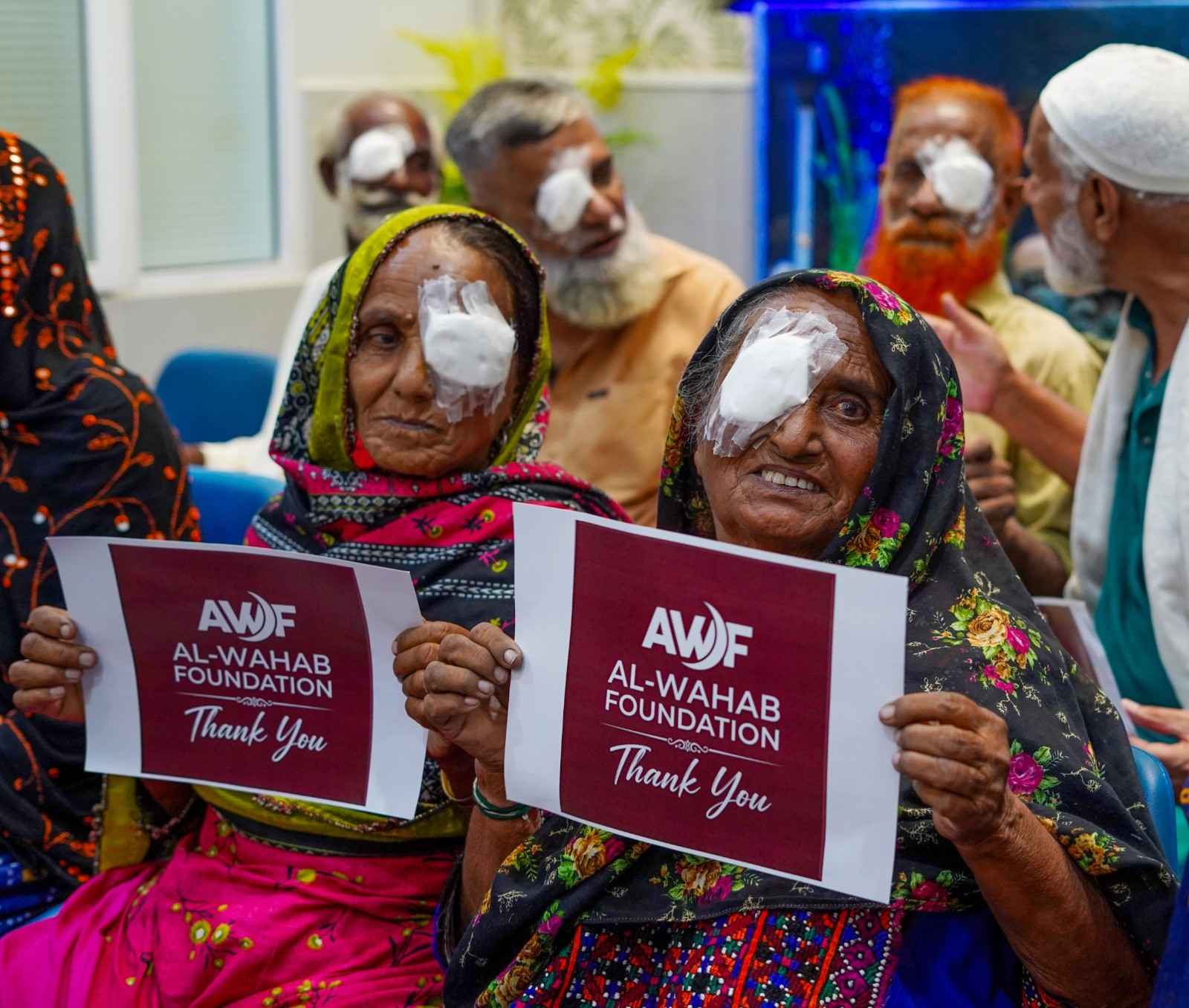
During this programme, 50 eye surgeries were carried out for patients in need.
For someone living with severe sight problems, successful treatment can affect almost every aspect of everyday life. Being able to see more clearly can help a person move independently, recognise loved ones and return to activities that poor vision had made difficult.
For families unable to afford treatment privately, this support can make a profound difference. The visit allowed Mufti Abdul Wahab to meet patients personally, speak with those involved in their care and see the impact of the Eye Care Project beyond the statistics.
Taking Eye Care Directly to Communities
For many people living with poor vision, the first challenge is simply accessing an eye examination.
During the visit, Mufti Abdul Wahab attended a Free Eye Camp organised by Al-Wahab Foundation in Karachi, where local people were able to have their eyes examined and receive guidance on the next steps in their care.
These community eye camps help bring essential eye care closer to people who may otherwise continue living with impaired vision without diagnosis or treatment. Patients are examined by medical professionals, eye conditions are identified and those requiring further care can be referred for the appropriate treatment.
This makes the camps an important first step in AWF’s Eye Care Project, connecting people with the care they need and helping prevent treatable eye conditions from continuing to affect their independence, work and everyday life.
Supporting Mobility and Independence
The visit also highlighted the needs of people living with physical disabilities.
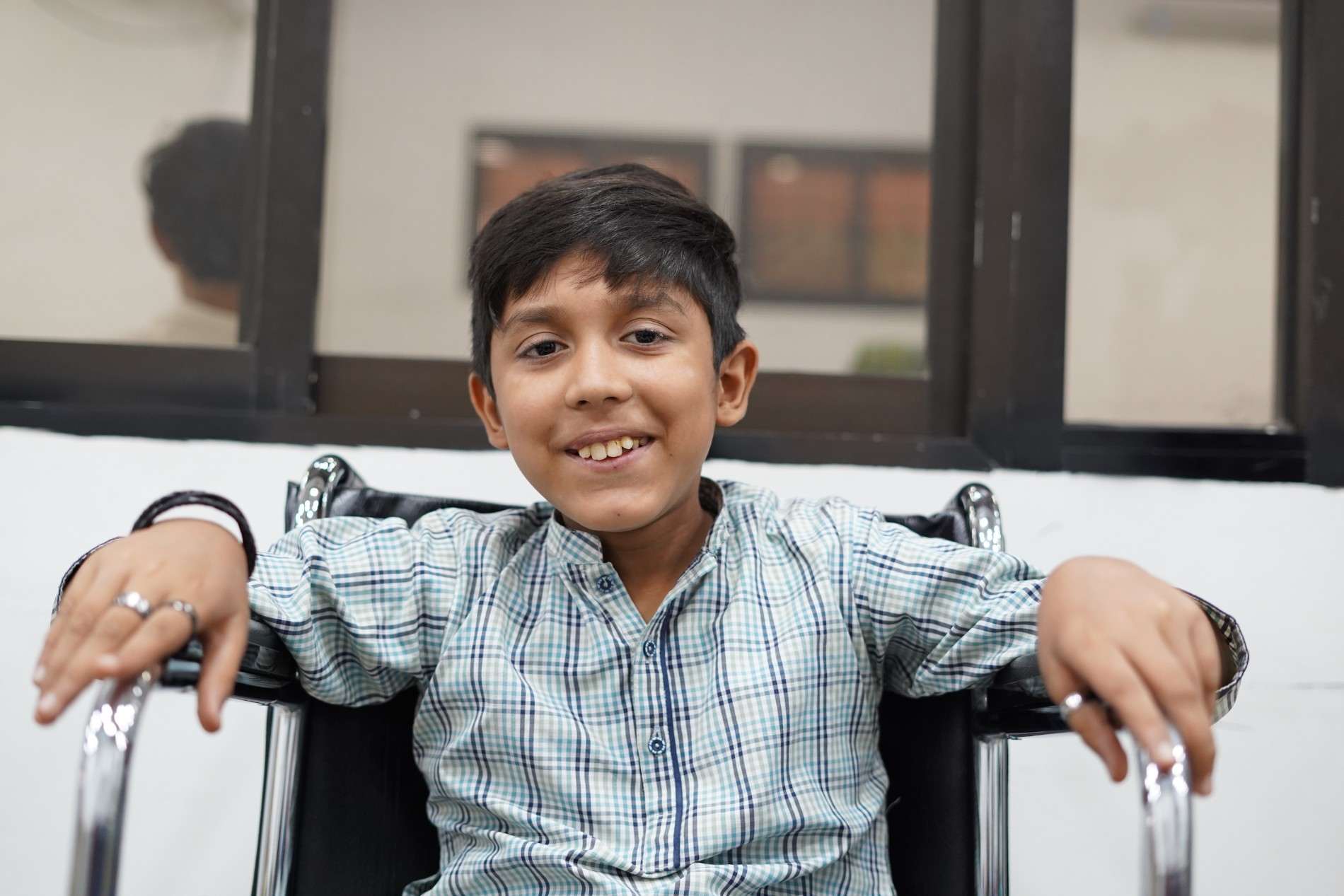
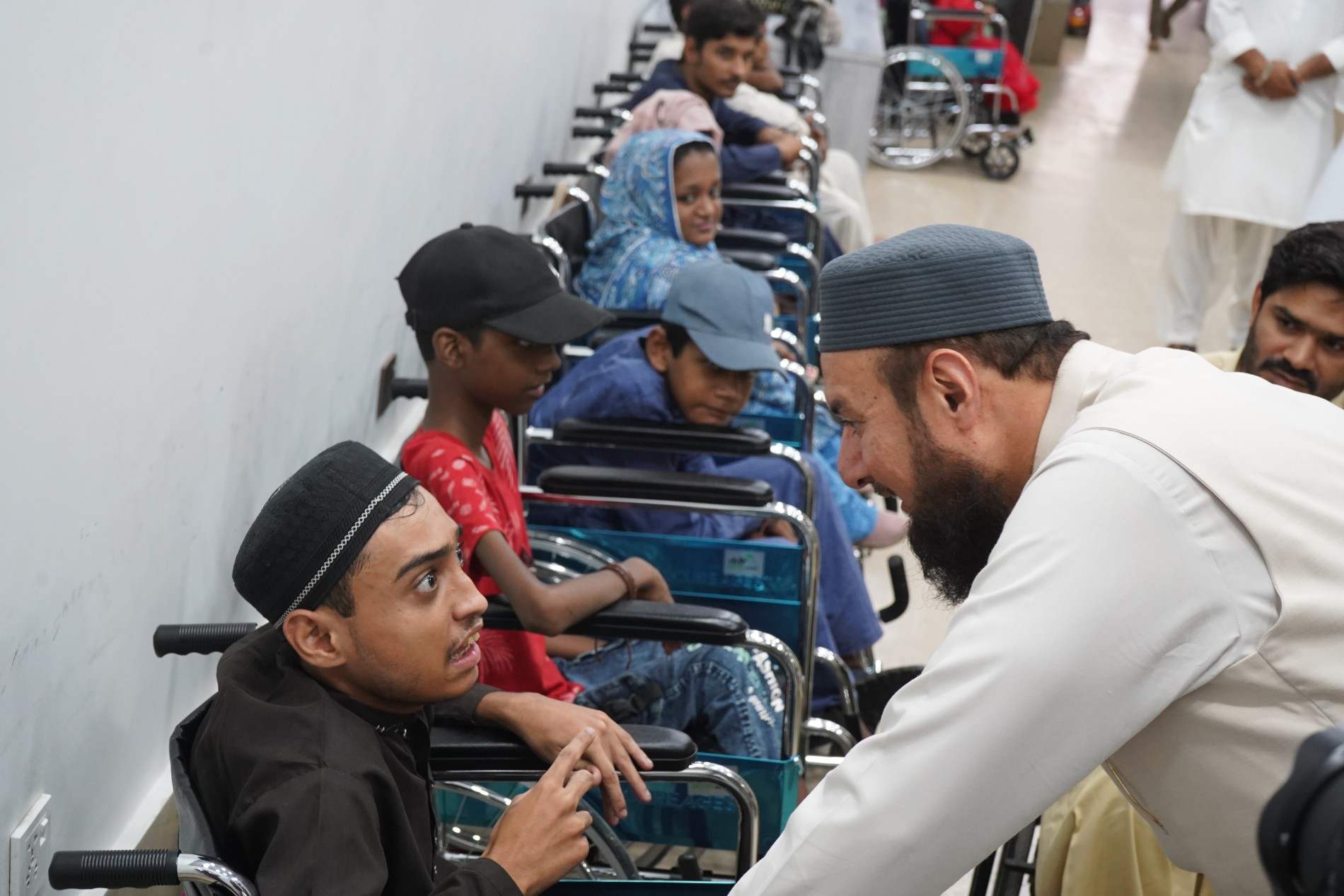
At the Disabled Welfare Association in Karachi, 15 wheelchairs were distributed to individuals requiring mobility support.
A wheelchair may appear to be a simple piece of equipment, but for someone with limited mobility it can make everyday movement more manageable and reduce dependence on others.
It can help an individual move around their home, attend appointments and take a more active part in family and community life.
Meeting recipients also provided an important reminder that meaningful humanitarian work is not always about large interventions. Sometimes a single piece of essential equipment can make daily life significantly easier for one person and their family.

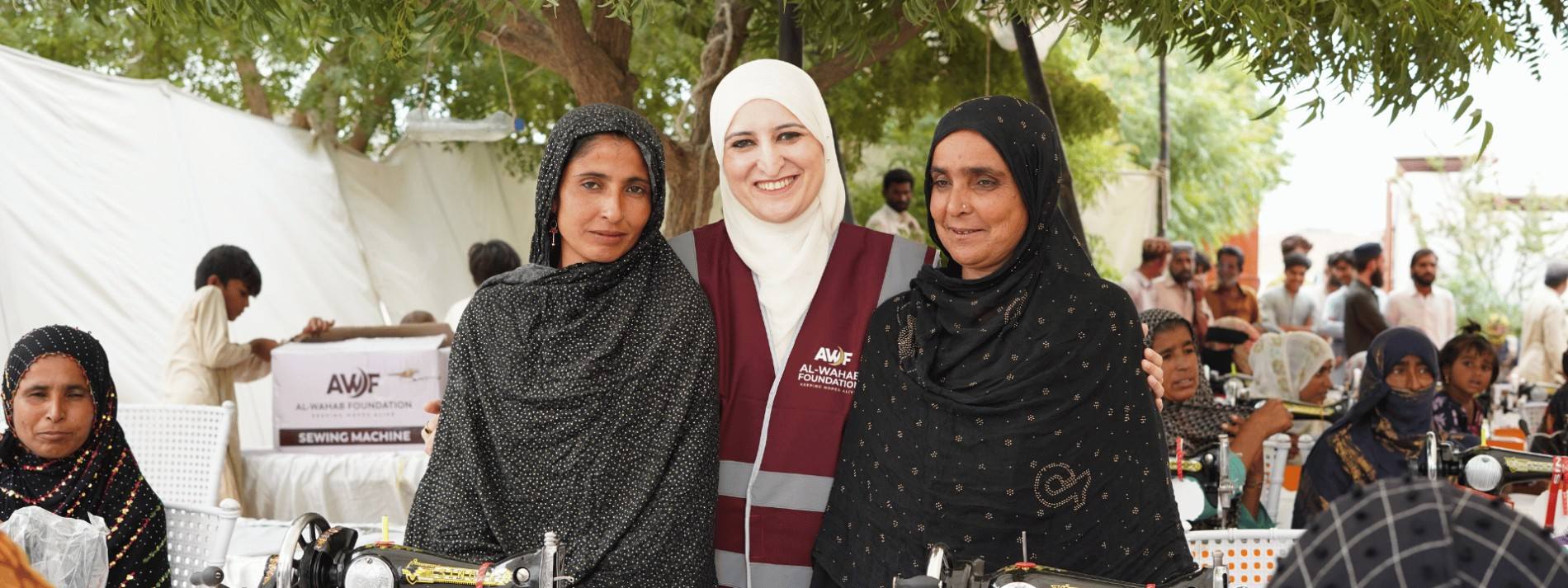
100 Sewing Machines Supporting Women and Their Families
Another major part of the visit focused on Al-Wahab Foundation’s Women Empowerment Project.
In Karachi, 100 sewing machines were distributed, with the initiative expected to benefit around 800 people through the women receiving support and their families.
For women who already possess sewing skills or are able to develop them, having their own machine can provide a practical way to work from home and contribute towards household needs.
This is particularly valuable for women whose personal or family circumstances may make other forms of employment difficult.
The sewing machine is therefore more than an item being distributed. It can become a working tool that gives a woman the opportunity to use her skills, build confidence and support those who depend on her.
Mufti Abdul Wahab joined the distribution and met women benefiting from the project, seeing how relatively simple support can open the door to longer-term self-reliance.
More Than a Visit
Field visits are an important part of understanding the real impact of humanitarian work.
They allow Al-Wahab Foundation to meet the people behind the projects, review implementation and see how support is reaching communities on the ground.
For Mufti Abdul Wahab, the Pakistan visit brought together different aspects of AWF’s work under one shared purpose: helping people overcome hardship in ways that preserve dignity and create meaningful change.
A rickshaw can help a father provide for his household. A sewing machine can give a woman the means to work. Eye surgery can restore sight. A wheelchair can improve mobility. A water pump can make an essential daily need easier to access.
Different projects, but each one has the potential to change everyday life.
Keeping Hopes Alive
The work witnessed during this visit was made possible through the generosity of those who continue to support Al-Wahab Foundation.
From 15 rickshaws supporting 120 beneficiaries and 50 eye surgeries to 15 wheelchairs and 100 sewing machines benefiting around 800 people, every project represents real people receiving practical support.
There is still much more to do.
With continued support, Al-Wahab Foundation can reach more families, strengthen more communities and continue Keeping Hopes Alive for people facing hardship in Pakistan and beyond.
Support Al-Wahab Foundation today and help us continue delivering sustainable, life-changing projects to communities that need them most.